The recent exchange between journalist Rufai Oseni and Minister of Works, Dave Umahi, started as a regular interview but ended as a viral moment for all the wrong reasons. What could have been an enlightening discussion on Nigeria’s road infrastructure turned into a heated exchange that left more noise than clarity.
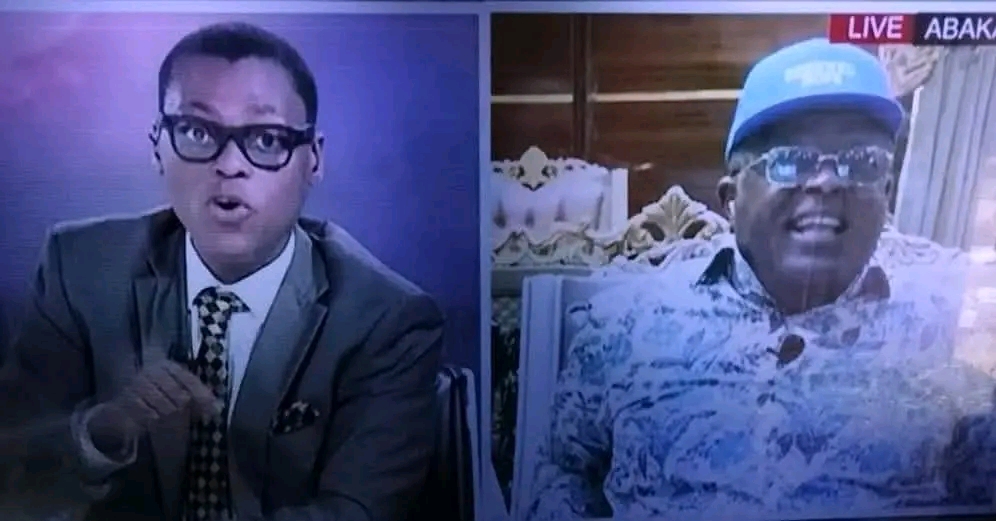
Both men had their intentions. Rufai sought accountability — a journalist’s duty. Umahi wanted respect — a leader’s expectation. But between the sharp questions and defensive replies, something vital was lost: communication. The space for understanding vanished, and what Nigerians watched instead was a conversation that turned confrontational because neither side paused to truly listen.
This breakdown in communication may have happened in a studio, but it reflects a broader pattern that has played out across different sectors. Think of the Lekki Toll Gate tragedy, where peaceful protesters met silence and force instead of dialogue. The story might have been different if there had been genuine listening on both sides.
We’ve seen similar cracks in other national moments — the ASUU–Federal Government negotiations that drag on endlessly because trust is missing; the Labour strikes that could have been resolved through early dialogue but often escalate into public hardship; even the National Assembly walkouts that happen when disagreement replaces discussion. In each of these cases, the lesson is the same: when dialogue fails, resolution flees.
The Rufai–Umahi incident is a smaller mirror of this same truth. It’s not about who was right or wrong; it’s about what was lost in the noise. A few moments of patience, a pause to understand intent before response — that’s all it might have taken to turn confrontation into clarity.
Communication intelligence isn’t weakness; it’s wisdom. It’s the ability to balance firmness with fairness, to challenge without contempt, and to disagree without destruction. That’s what makes dialogue productive — and leadership credible.
In the end, what Nigerians saw wasn’t just a media misunderstanding. It was a reminder of how fragile our conversations have become. Whether in the newsroom, the cabinet room, or the streets, words can either build bridges or burn them. And until we learn the difference, moments like this will keep repeating — louder, harsher, emptier.
Got insights on politics, economy, governance, or society? Share your perspective! Send your submissions to ebonyinews.ng@gmail.com